

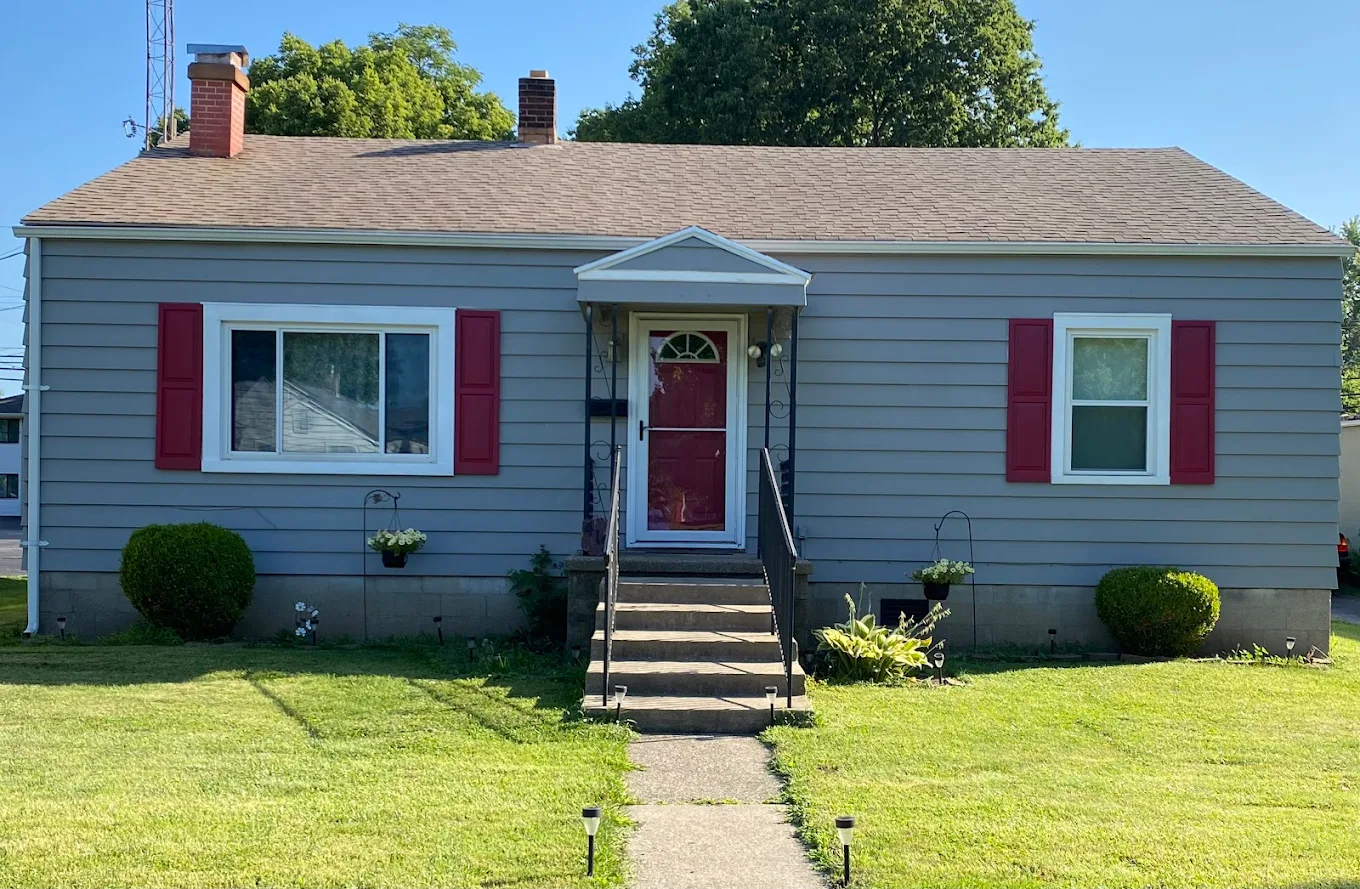
"What does a new roof cost?" is the first question almost every homeowner asks, and the honest answer is that nobody can give you a real number over the phone. What we can do is explain exactly what drives the price, so that when you do get quotes you can tell a fair one from a bad one.
The three things that move the number most
1. Size, measured properly
Roofing is priced by the square — one square equals 100 square feet of roof surface. This is not the same as your home's floor area. A 2,000 sq ft single-storey ranch has considerably more roof than a 2,000 sq ft two-storey colonial, because the footprint is spread out rather than stacked.
2. Pitch and complexity
A steep roof is slower and more dangerous to work on, which means more labour hours and additional safety equipment. Complexity matters just as much: every valley, dormer, chimney, skylight and roof-to-wall junction is a place water wants to get in, and each one needs flashing detailed correctly. A simple gable roof and a cut-up roof of the same square footage are genuinely different jobs.
3. What's underneath
This is the one that surprises people. Quotes are written assuming the decking is sound. Once the old shingles come off, soft or rotted plywood has to be replaced before anything goes back down — there's no responsible way around it. Reputable contractors price decking replacement as a per-sheet rate stated up front, so if it's needed you know the cost before we start.
If a quote doesn't mention decking at all, ask about it. You don't want that conversation happening for the first time with your roof already open.
Material choices, and what they actually buy you
- Architectural asphalt shingles are what most Lebanon homes use, and for good reason. They handle Ohio's freeze-thaw cycles well, come with solid manufacturer warranties, and hit the best balance of cost and lifespan for this climate.
- Three-tab shingles are cheaper but thinner, with shorter warranties and worse wind resistance. The saving is real but modest, and you'll likely be replacing sooner.
- Metal roofing costs substantially more up front and lasts far longer — often two to three times the service life. It sheds snow well and reflects heat. It makes sense if you intend to stay in the house long term; it rarely pays back if you're moving in five years.
- Impact-resistant shingles carry a premium but can reduce your homeowners premium, and in a hail-prone area like southwest Ohio that offset is worth asking your insurer about before you decide.
Costs that are easy to forget
A complete quote should account for tear-off and disposal of the old material, new underlayment, ice-and-water shield along eaves and valleys, drip edge, new flashing, ridge venting, permits where required, and cleanup. Ventilation in particular gets skipped by cheaper bidders and it matters — an under-ventilated attic cooks shingles from below and can void the manufacturer's warranty.
If one quote is dramatically cheaper than the others, the difference is almost always in this list rather than in the shingle.
Repair or replace?
Replacement isn't always the right call, and we say so regularly. Repair usually makes sense when the damage is isolated, the roof is under roughly fifteen years old, and the decking is sound.
Replacement starts to make more sense when you're past twenty years on asphalt, when you're seeing granules collecting in the gutters across the whole roof rather than one area, when there are multiple leak points, or when you've paid for repairs two or three times in as many years. At that point repair spending stops being maintenance and starts being money thrown after a roof that's finished.
Getting a number you can trust
Have at least two contractors inspect the roof in person and put the quote in writing. Compare line by line, not bottom line to bottom line — the useful question is what's included, not what's cheapest.
Ask each one: is tear-off included, or are you going over the existing layer? What's the per-sheet rate if decking needs replacing? What underlayment are you using? What warranty covers the workmanship, separate from the manufacturer's material warranty? Are you licensed and carrying current liability and workers' comp?
A contractor who answers those clearly and in writing is worth paying slightly more for.
Financing and insurance
If the replacement follows storm or hail damage, your policy may cover a large share of it. Get a professional inspection and documentation before you file — adjusters respond better to a documented scope than a homeowner's description.
For non-claim replacements, financing is widely available and worth discussing so an unexpected roof doesn't have to come out of savings all at once.
Get an actual number for your roof
We'll measure it, look at the decking and ventilation, and give you a written quote with the assumptions spelled out. The inspection is free, there's no obligation, and if the roof has good years left we'll tell you that instead.
Call (513) 446-8017 or use the form on this page — we'll get back to you within one business day.
